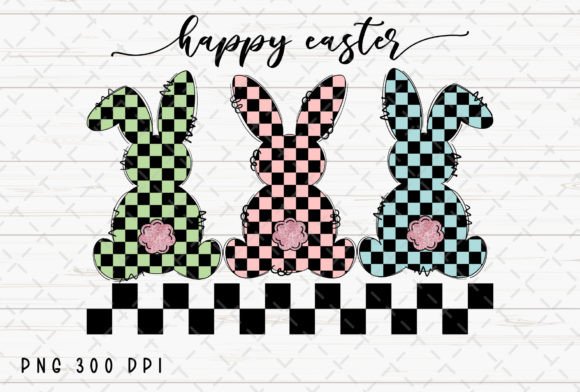
Checkered Bunny Happy Easter Spring PNG: A Modern Design Asset
When you're building a brand or creating products for a specific season, the right design asset makes all the difference. A generic clipart bunny feels forgettable. A poorly rendered PNG looks unprofessional on printed goods. The Checkered Bunny Happy Easter Spring PNG solves these problems with a distinct visual identity that balances playful energy with clean, modern execution.
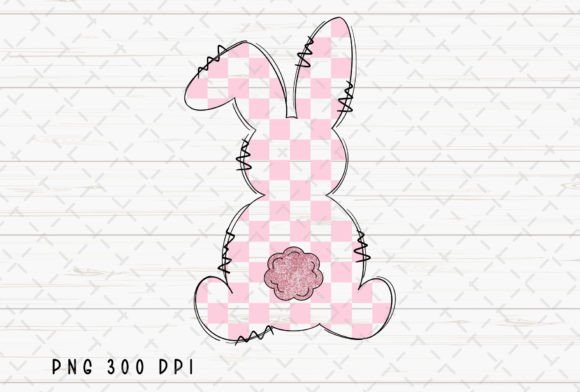
This isn't a photograph or a hand-drawn sketch with rough edges. It's a polished digital illustration featuring a stylized bunny composed of a checkered pattern—think gingham or picnic blanket textures applied to the animal's form. The "Happy Easter Spring" text element integrates directly into the composition, creating a unified graphic rather than a separate icon plus caption. The overall personality skews cheerful and contemporary, avoiding the overly saccharine look of pastel-only Easter graphics while still feeling seasonal and approachable.
What Makes This Sublimation PNG Different
The file arrives at 4,000 by 4,000 pixels with a transparent background and 300 dpi resolution. That combination matters more than most people realize. The high resolution means you can scale it for large-format printing—think signage, banners, or oversized tote bags—without pixelation or quality loss. The transparent background eliminates the tedious masking work that eats into production time, especially when layering the design onto colored substrates or busy patterns.
For anyone working with sublimation printing specifically, the file format and resolution are already optimized. You're not converting, upscaling, or cleaning up artifacts. You load it into your sublimation software, adjust placement, and press. That simplicity translates directly into faster turnaround times and fewer rejected prints.
The checkered texture within the bunny illustration adds a tactile, almost fabric-like quality that photographs well on physical products. On a ceramic mug, the pattern catches light in a way that flat-color graphics simply don't. On a cotton tote bag, it echoes the woven texture of the material itself. These subtle visual connections between design and substrate create a more cohesive final product.
Where This Design Asset Works Best
The practical applications extend well beyond traditional Easter merchandise. Here's where designers, entrepreneurs, and content creators are finding real value:
- Product design: T-shirts, mugs, signs, tote bags, postcards, and greeting cards remain the most common uses. The file dimensions support all of these without additional resizing.
- Digital marketing: Social media graphics for spring campaigns, email headers for seasonal promotions, and website banners for e-commerce shops all benefit from a cohesive seasonal visual element.
- Publishing and editorial: Blog post featured images, newsletter illustrations, and digital magazine layouts can incorporate the design as a supporting visual without overpowering the typography and content hierarchy.
- Packaging design: Small businesses creating seasonal product packaging—think bakery boxes, candle labels, or gift wrap—can use the checkered bunny as a focal point or repeating accent element.
- Personal projects: Party invitations, classroom materials, church bulletins, and scrapbooking layouts all represent legitimate, high-value uses for a well-crafted seasonal PNG.
The key is matching the design's personality to your project's tone. This particular asset works best in contexts that feel warm, community-oriented, and slightly whimsical without crossing into infantile territory. A children's clothing brand, a neighborhood bakery, or a family-oriented lifestyle blog would find natural alignment. A luxury jewelry brand probably wouldn't.
Design Considerations and Practical Guidance
Before you commit to any design asset for a commercial project, a few evaluation steps save headaches later. First, test the Checkered Bunny Happy Easter Spring PNG against your existing brand colors. The checkered pattern likely uses a specific palette—typically spring pastels or classic red-and-white gingham—and those colors need to coexist with your brand identity without creating visual conflict.
Second, consider your font pairing strategy if you're combining this graphic with additional text. Because the design already includes "Happy Easter Spring" lettering, adding more type requires careful hierarchy decisions. A clean sans serif font for secondary information usually complements illustrated elements without competing for attention. Avoid stacking multiple script fonts or handwritten fonts near the design, as this creates visual noise that undermines readability.
Third, think about scale and placement across your product line. A design that reads well at full size on a sign might lose detail when reduced to fit a small gift tag. The 4,000-pixel dimension gives you room to work, but testing at actual print size before committing to a production run is always worth the extra few minutes.
Licensing and Usage Boundaries
This is a digital file licensed for use in creating physical and digital end products. You can print it on merchandise, incorporate it into marketing materials, and feature it in published content. What you cannot do is redistribute the original file itself. Reselling the PNG on marketplaces, photostocks, or file-sharing platforms violates the license terms. If you're working with a team or subcontracting production, make sure everyone involved understands these boundaries. When in doubt, review the official usage documentation or contact support before finalizing your purchase.
Building a Cohesive Spring Collection
The most successful seasonal product lines don't rely on a single graphic. They build a visual system. The Checkered Bunny Happy Easter Spring PNG works well as a hero element, but pairing it with complementary design assets—coordinating patterns, solid-color backgrounds, supporting illustrations, and a consistent typeface—creates the kind of brand identity that customers remember and return to year after year.
Think of this file as one piece in a larger creative toolkit. When you approach seasonal design with that systems-thinking mindset, each asset carries more weight, your products look more professional, and your audience engages more deeply with what you've created.